Is a Trial Membership Right for You? Pros and Cons to Consider

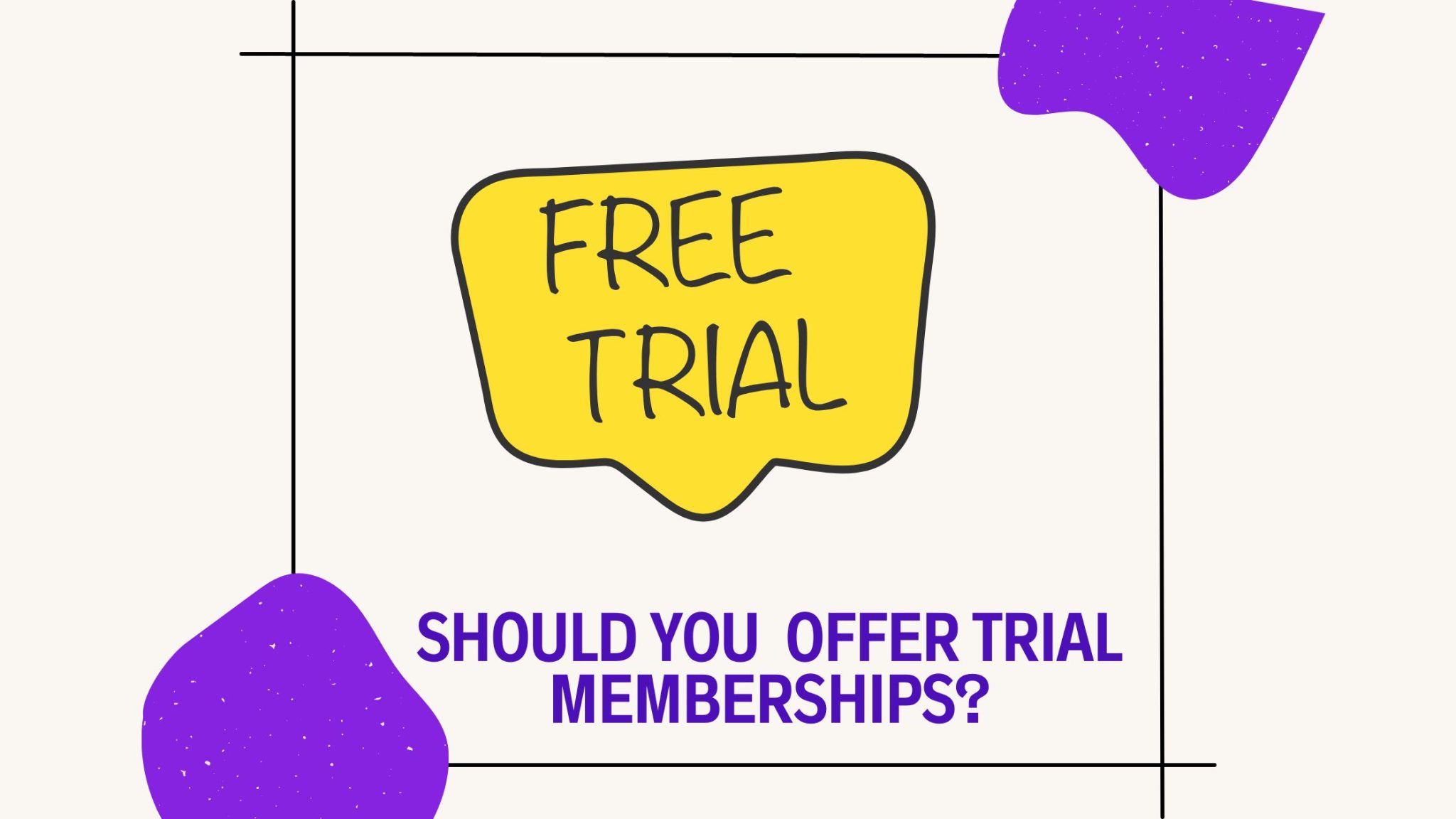
A trial membership gives new members free or discounted access to your membership site for a limited time, such as 7 or 14 days, before regular billing starts. It’s a good fit when your content is easy to judge after a short test and you have a plan to convert trial users, but it can attract freebie seekers and raise cancellations if the value isn’t clear.
Imagine you could never test anything before buying it, with no chance of returning it. You couldn’t taste a tomato at the farmer’s market or try on a pair of shoes before you commit to them. Trial memberships aren’t a new concept, but they bring that same try-before-you-buy experience to digital products.
During a trial membership, people can explore and evaluate your offering to decide whether it’s right for them before they pay the full price. It’s an effective way to win new members, but, as with any business model, there are pros and cons to weigh before deciding if it’s the right fit for your site.
Pros of Trial Memberships
Obviously, there are a lot of reasons trial memberships work, and some of the most important ones include:
No More Commitment Fears
Most people already pay for several subscriptions every month: streaming, music, mobile service, software, and maybe a meal kit or two. Many are also feeling the effects of subscription fatigue.
With that many commitments already, customers are wary of adding another one. Trial memberships allow them to dip their toes in without making a full commitment or financial investment. Think of them like a date: you don’t just go up to someone on the street and ask them to marry you. First, you ask them out, then you build a relationship with them, and then you propose (if everything else worked up to that point.)
Lower Risks (for Everyone)
Trial memberships are great for business owners that want to test a new product or service before launching, and they’re even better if you want to make sure existing customers are satisfied. This is especially true for companies that offer recurring services.
By offering a trial period, customers can test what your product or service can do for them without risking their money. This allows them to make an informed decision and eliminates the doubt of whether or not they made the right choice.
You Can Build Your Email List
Trial memberships are an excellent way to test out your product and build relationships with users. As people try out your service, they’ll also leave you their email address (and their consent to be contacted for marketing purposes.) You can then use this list to nurture leads and build relationships with potential or existing customers.
You Can Test Your Product
Not sure you have a product-market fit for your membership site? Trial memberships enable you to run a relatively quick and accurate test to see how your target audience perceives your product or service. This gives you valuable data to help inform your decision-making and product development efforts.
Getting People’s Attention
People like free stuff, and a free trial is no exception. A free trial can help you draw people in, by providing an incentive for them to try out your product or service. This can be especially helpful if you have a competitive market or if your product or service is new and needs some extra exposure.
Lower Barriers to Entry
Trial memberships can also help you lower barriers to entry. Instead of having customers pay for a long-term subscription or upfront costs, they can take advantage of a trial offer. This makes it easier for customers to sign up without worrying about additional costs or commitments.
Understanding Your Target Audience
If you’re unsure what your customers want or need, a trial period can be a great way to learn more about them. By understanding how they use the product and what they like or don’t like, you can better decide how to customize your product or service.
Boosting Word-of-Mouth Marketing
Word-of-mouth marketing is one of the most effective strategies for any business, large or small, regardless of industry. And trial memberships are a great way to encourage it, as they give people a chance to experience your product without any financial risk. Once they see how great it is, they’re likely to tell their friends and family about it.

Cons of Trial Memberships
Nothing’s ever perfect, and trial memberships have their drawbacks as well. Some of the biggest cons include:
Unanticipated Complications
This isn’t meant to scare you off, but there are quite a lot of moving parts that come with running a trial membership program. Consider how long the trial lasts, what features are included, and how you’ll handle customer support for trial members. You also need a plan for turning trial members into paying ones; otherwise, you won’t be able to increase your membership site revenue.
Not to mention all the legal aspects, such as making sure you disclose everything in terms of the agreement and, in some situations, ensuring people explicitly accept the Terms and Conditions, as well as the fact that you may use their email addresses to send them marketing emails.
Higher Cancellation Rates
Trials can also mean lower retention rates and a lower customer lifetime value (CLV). Some people sign up only to look around, so expect a share of trial members to cancel before or soon after their first payment.
It’s not a given, but when something starts out free, people may place less value on it, which makes them less willing to pay for it later. That’s why the experience you deliver during the trial matters so much.
The Risk of Not Converting Users
Giving people the option to pick a trial membership is one thing — converting all those people into actual paying members is a completely different thing. If not enough members start paying, you’ll be left with many free members and very little revenue.
To increase your chances of success, you need to have a well-designed strategy, a compelling product or service, and the right promotion methods in place.
People Taking Advantage
Finally, some people might take advantage of the trial offer by signing up multiple times and using it without any intention of ever becoming a paying customer. It’s a harsh reality of selling digital products such as website memberships, because creating a new email address takes seconds.
The best way to combat this is to require an account before the trial starts and, for recurring plans, to collect payment details upfront so billing begins automatically when the trial ends. This discourages repeat sign-ups and gives you a database of potential customers.
Free Trial vs. Paid Trial Membership
A trial doesn’t have to be free. You can choose between two main formats:
- Free trial: new members pay nothing for a set period, such as 7 or 14 days. It brings in the most sign-ups, but also the most people who never intend to pay.
- Paid or discounted trial: new members pay a small amount for the first period, or a lower price for the first few billing cycles. You get fewer sign-ups, but the people who join are more serious, which usually means better conversion to full price.
A trial is also different from a free membership level, which has no end date and gives limited access instead of temporary full access.
How to Set Up a Trial Membership That Converts
If you decide to offer a trial, these steps help more trial members become paying ones:
Pick the Right Trial Length
Make the trial long enough for people to reach a first win, such as finishing a lesson or joining a live session, but short enough that they still remember why they signed up. Seven and 14 days are common choices for content sites.
Onboard Trial Members Quickly
Send a welcome email that points to your best content, and follow up during the trial with tips that help members get value fast. These membership email ideas can help you plan the sequence.
Be Transparent About Billing
State clearly when the trial ends, what the regular price will be, and how to cancel. A reminder before the first charge builds trust and reduces refund requests and payment disputes.
Use a Plugin That Handles Trials for You
On WordPress, Ultimate Membership Pro lets you add a free or discounted trial to any recurring Membership, either for a set period or for a number of billing cycles, after which regular billing starts automatically. Note that the PayFast, Paystack, and Razorpay gateways don’t support trials. You’ll find the details on the subscriptions and payments page, and you can restrict content by Membership to decide exactly what trial members can see. Ultimate Membership Pro is sold as annual plans; see pricing for what each plan includes.
So, Is a Trial Membership Right for You?
The answer is: it depends.
If your membership is easy to understand and its value shows up quickly, and you have a solid onboarding and marketing plan, a trial membership can bring in many new paying members. If your product is premium, a trial can still work because it lets people experience it without financial risk, but a free trial may also make it look less valuable. In that case, a short paid trial or a money-back guarantee is often the safer choice.
Ultimately, there’s no one-size-fits-all answer. The best way to learn is through trial and error, so don’t be afraid to test different options and see what works for your membership site and audience.
Frequently asked questions
What is a trial membership?
A trial membership gives new members free or discounted access to a membership site for a limited time, such as 7 or 14 days. When the trial ends, the member either moves to a regular paid plan automatically or loses access, depending on how the site is set up. It lets people try before they commit.
How long should a free trial membership last?
Seven and 14 days are the most common lengths for content and membership sites. Choose a length that lets new members reach a first meaningful result, such as finishing a lesson or joining a live session. Longer trials rarely help unless your product needs more time to show its value.
Should you ask for a credit card for a free trial?
Asking for payment details upfront usually brings fewer sign-ups, but more of those members convert to paid, because billing starts automatically when the trial ends. Skipping the card brings more sign-ups and more people who never pay. If you collect cards, clearly state when the first charge happens and how to cancel.
What is the difference between a free trial and a free membership?
A free trial is temporary: members get full or near-full access for a short time, then pay or lose access. A free membership has no end date but gives limited access, and members choose if and when to upgrade. Some sites offer both, using the free level to build an audience and the trial to convert.
How do you convert trial members into paying members?
Help trial members get value quickly with a clear welcome email and a guided first step. Send useful tips during the trial, remind them before it ends, and highlight what they will keep by staying. A small discount on the first paid period can also help hesitant members decide.
Ready when you are
Turn visitors into paying members with Ultimate Membership Pro
Launch your membership website, protect exclusive content and automate subscription payments, all in one WordPress plugin.
- 14-day money-back guarantee
- Unlimited members
You May Also Like
Membership Pricing Strategy: 11 Models and How Much to Charge
Running a WordPress Membership Site: 10 Do’s and 10 Don’ts
40 Membership Site Ideas That Can Make You Money
Tiered Membership Levels: Pros, Cons, and Alternatives
Everything You Need to Know about Recurring Charges for Your Membership Site
Free WordPress Membership Plugin: 5 Best Options (+1 Premium Pick)