14 Membership Site Examples to Learn From in 2026

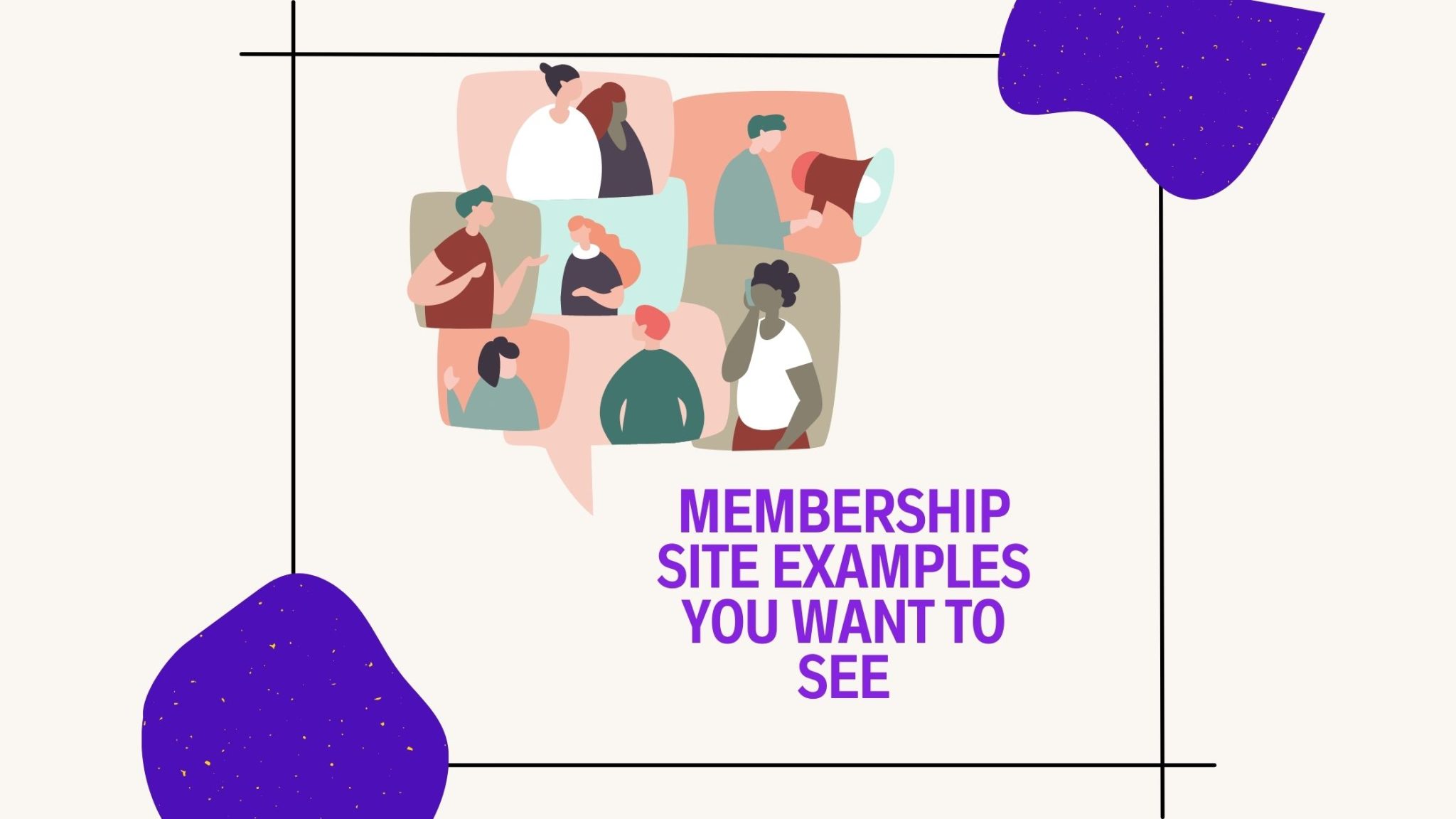
Good membership site examples include Food Blogger Pro, Scott’s Bass Lessons, KelbyOne, Codecademy and Going. Each one charges a recurring fee for something people can’t get for free elsewhere: a course library, coaching, a community, deals or premium content. Below are 14 real, live membership sites, with what each one sells, how its membership works and what you can borrow for your own site.
Every site on this list was checked in October 2026: it loads, and it sells a membership or subscription today (Freelance Writers Den opens enrollment only twice a year and runs a waitlist in between). The examples cover education, communities, publishing, deal clubs and a nonprofit, so you can find a model that fits your niche. If you haven’t picked a niche yet, start with these membership site ideas.
Membership Site Examples at a Glance
| Site | Niche | Membership model |
|---|---|---|
| Food Blogger Pro | Food blogging education | Monthly, quarterly or yearly billing; courses, forum and live calls |
| Scott’s Bass Lessons | Music lessons | One membership with a 14-day free trial |
| KelbyOne | Photography and editing courses | All-access, monthly or annual; group and gift memberships |
| Codecademy | Coding | Free Basic plan, paid Plus and Pro tiers |
| Freelance Writers Den | Freelance writing community | Monthly; enrollment opens twice a year |
| Going | Flight deals | Free Limited plan, paid Premium and Elite plans |
| AppSumo Plus | Software deals | Paid membership on top of a marketplace |
| The Point | Literary magazine | Digital, print and digital, or supporting subscription |
| Book Riot All Access | Books and reading | Free articles, paid membership for extras |
| 40 Aprons Premium | Recipes | Free recipes, paid ad-free membership |
| uBloom | Floral design | Free weekly videos, paid premium archive |
| My Mindful Movement | Movement and mindfulness classes | Membership with new on-demand classes every week |
| Running Restaurants | Restaurant management | Monthly or annual; 90-day money-back guarantee |
| Food Tank | Food system nonprofit | Tiered memberships, monthly or annual |
14 Real Membership Website Examples
For each of these membership site examples, you’ll see what the site sells, how its membership is set up and the one lesson worth copying.
1. Food Blogger Pro

Food Blogger Pro teaches people how to start, grow and monetize a food blog. Members get a library of more than 350 videos on topics like WordPress, traffic and monetization, a private community forum, monthly member-only live Q&A calls, monthly coaching calls with co-founder Bjork Ostrom and discounts on recommended tools.
Membership model: one membership with monthly, quarterly or yearly billing, with the yearly plan presented as the best value. Members can cancel anytime, and new members get a 60-day money-back guarantee. A free podcast and a free traffic course bring new people in.
What you can learn: pair a course library with live access. Once members finish the videos, the monthly calls and the forum are what keep them subscribed.
2. Scott’s Bass Lessons

Scott’s Bass Lessons is an online school for bass players. The SBL Membership includes more than 100 courses, a nine-level roadmap called the Players Path, weekly live coaching and practice labs, monthly workshops, guest seminars, a monthly community hangout and member discounts on gear.
Membership model: a single membership with a 14-day free trial and a 30-day money-back guarantee.
What you can learn: give members a clear path. A leveled roadmap answers the question every learner has (what should I do next?) and gives people a reason to stay until they reach the next level.
3. KelbyOne

KelbyOne sells online training for photographers, with hundreds of courses on photography, Lightroom and Photoshop. A new course is added every week, members can watch offline in the KelbyOne app, and they can ask questions in course discussions.
Membership model: one all-access membership (one membership, every course, cancel anytime) with monthly and annual plans. KelbyOne also sells group and gift memberships.
What you can learn: if you publish often, sell access to everything instead of pricing each course separately. A steady release schedule, here one course a week, gives members a reason to renew.
4. Codecademy

Codecademy teaches programming in the browser. Its free Basic plan gives limited access to some courses, while the paid plans unlock skill paths, certificates and portfolio projects (Plus) or career paths, interview prep and professional certifications (Pro).
Membership model: freemium with two paid tiers, each billed monthly or annually, with a lower monthly cost on annual plans and a free trial on both paid tiers. Student and team plans are also available.
What you can learn: name your tiers after the member’s goal. Plus is for learning a skill and Pro is for building a career, so visitors can pick a plan without comparing feature lists line by line.
5. Freelance Writers Den

Freelance Writers Den is a paid community for freelance writers run by Carol Tice. Members get a forum with more than 80,000 posts, feedback from moderators and experienced editors, accountability partners, bootcamps and trainings, and regular live calls.
Membership model: month-to-month billing with a 7-day money-back guarantee. The Den opens to the public only twice a year. The rest of the time, visitors join a waitlist.
What you can learn: limited enrollment windows create urgency and let you welcome new members in groups, which makes onboarding and community management easier.
6. Going (Formerly Scott’s Cheap Flights)
Going, the flight deal service formerly known as Scott’s Cheap Flights, sends members alerts for cheap flights, mistake fares and points deals.
Membership model: three tiers. Limited is free and covers deals within the continental US. Premium adds all domestic and international economy deals plus custom destination alerts, and Elite adds premium economy, business and first class deals. The paid plans are billed annually and come with a free trial.
What you can learn: make the free tier a real sample of the paid product. Free members see good deals, but they also see what they’re missing, and each upgrade adds a clearly bigger benefit.
7. AppSumo Plus

AppSumo Plus is a paid membership layered on top of the AppSumo software deals marketplace. Members get 10% off every deal, early and extended access to deals, free licenses for tools like KingSumo and SendFox, a members’ community, more than 50 masterclasses and event recordings, and faster support. The annual plans also include recurring coupons.
Membership model: monthly, annual and Pro annual plans, all billed as subscriptions.
What you can learn: a membership can sit on top of a store. If you already sell products, member-only pricing and early access turn one-time buyers into recurring subscribers.
8. The Point

The Point is an independent print and digital magazine that publishes essays on literature, culture, politics and the arts.
Membership model: three annual subscriptions. Digital Only gives access to every article in the online archive, Print and Digital adds the print issues, and a Supporting Subscription adds extra benefits on top. Subscriptions renew annually and can be canceled anytime.
What you can learn: add a supporting tier. Your most loyal readers often want to pay more to keep work they love going, so give them an easy way to do it.
9. Book Riot All Access

Book Riot publishes free articles, newsletters and podcasts about books. Its All Access membership adds exclusive content such as publishing insights and editors’ recommendations, full access to the New Release Index, Collections for saving recommendations into custom lists and extra Read Harder Challenge recommendations.
Membership model: a paid membership with monthly or annual billing, on top of a free site.
What you can learn: you don’t have to paywall your whole site. Keep the articles that bring in search and social traffic free, and charge for the tools, depth and extras your regular readers want.
10. 40 Aprons Premium

40 Aprons is a recipe site with free, ad-supported recipes and a free weekly newsletter. 40 Aprons Premium gives members ad-free access to all new and existing content, plus exclusive member-only content in a members’ dashboard.
Membership model: free public recipes, with a paid membership for the ad-free and exclusive experience.
What you can learn: if your site runs ads, an ad-free experience is a membership benefit you already have. Readers who visit often will pay to remove the clutter.
11. uBloom

uBloom teaches floral design. It publishes a free flower arranging video every week, along with a podcast, a blog and a store. Subscribers get full access to the complete premium video archive and resources.
Membership model: free weekly videos up front, with a paid subscription for the full archive.
What you can learn: a regular free release builds habit and trust. Each free video shows the quality of the paid archive, so subscribing feels like a safe next step.
12. My Mindful Movement

My Mindful Movement offers online movement and mindfulness classes. Members get on-demand classes in different lengths and styles, with new classes added every week, and the site also runs live sessions.
Membership model: a membership that unlocks an on-demand class library that grows every week.
What you can learn: in habit-based niches like fitness and wellbeing, fresh classes every week and sessions of different lengths make it easy for members to keep showing up.
13. Running Restaurants

Running Restaurants helps restaurant owners and managers run a better business. Members get more than 1,500 articles on marketing, operations, staffing and finance, over 100 hours of webinars, seminars and podcasts, and a download library of forms, checklists and spreadsheets. Some articles stay free to attract new readers.
Membership model: monthly or annual billing, with a discount on the annual plan, and a 90-day money-back guarantee.
What you can learn: in professional niches, ready-to-use templates and checklists are easy to justify as a business expense, and a long guarantee lowers the risk of joining.
14. Food Tank

Food Tank is a nonprofit focused on building a better food system. More than 350,000 people read its newsletter, and its paid membership funds the work while giving members extra access.
Membership model: three individual tiers (Grower, Planter and Cultivator) billed monthly or annually, plus an organizational membership. Benefits grow with each tier, from member-only Q&A webinars, monthly updates, early access to reports and member groups to summit access and one-on-one time with Food Tank’s president.
What you can learn: mission-driven memberships sell access and recognition, not just content. If you run a nonprofit, club or association, tiered memberships can fund your work, and the same model works for associations and clubs of any size.
Common Patterns Across These Sites
These membership site examples sell very different things, but most of them share a few habits:
- A free way in. Codecademy’s Basic plan, Going’s Limited plan, uBloom’s weekly videos and the free articles at Book Riot and Running Restaurants let people try before they pay. If you’re unsure about this, read whether you should offer a free membership level.
- Recurring billing with an annual option. Food Blogger Pro, KelbyOne, Codecademy, Running Restaurants and Food Tank all bill monthly or yearly, and most reward members who pay for a full year. Your membership pricing strategy should decide that discount up front.
- Fresh content on a schedule. KelbyOne adds a course every week, My Mindful Movement adds classes weekly, and Food Blogger Pro and Scott’s Bass Lessons run regular live calls.
- Lower risk to join. Free trials (Scott’s Bass Lessons, Codecademy, Going) and money-back guarantees (Food Blogger Pro, Running Restaurants, Freelance Writers Den) make the first payment an easier decision.
- Tiers built around outcomes. Codecademy Plus and Pro, Going Premium and Elite, Food Tank’s three tiers and The Point’s supporting subscription each give members a clear reason to upgrade. See how to set up tiered levels on a membership site.
- A community. The forums at Food Blogger Pro and Freelance Writers Den, Food Tank’s member groups and the community hangouts at Scott’s Bass Lessons give people relationships they don’t want to lose. Membership forums are one way to build this.
None of these sites rely on a big launch alone. Members stay because the site keeps delivering value every month, which is also the most reliable way to grow membership revenue.
How to Build a Membership Site Like These
You don’t need a custom platform to copy these models. On WordPress, a membership plugin handles sign-ups, payments and access rules. With Ultimate Membership Pro, each access level you sell is a Membership, and you can:
- Restrict pages, posts, categories, files and menu links by Membership, like the premium archives at uBloom or 40 Aprons.
- Charge recurring subscriptions with free or paid trials, coupons and prorated upgrades, like the tiered plans at Codecademy or Going.
- Drip content by sign-up date or on a set date, so a course path unlocks step by step.
- Give every member a member portal: an account page with your own tabs, plus membership cards and badges.
- Add a searchable member directory with public profiles for community-driven sites.
- Take payments through Stripe, PayPal and other payment gateways.
- Sell gift memberships, as KelbyOne does.
Ultimate Membership Pro is sold as annual plans, which you can compare on the pricing page. For a step-by-step setup, see how to build a simple membership site.
Final Thoughts
The best membership site examples have one thing in common: they solve a specific problem for a specific group of people, and they keep solving it every month. Pick the model closest to your niche, whether that’s a course library, a community, a deal club or a supporting membership. Start with a free way in and one paid tier, then add tiers once you know what your members value most.
Frequently asked questions
What is a membership site?
A membership site is a website that charges people, usually on a recurring basis, for access to content, tools, a community or perks that non-members can’t see. Members log in to reach the protected pages. Examples range from course libraries like KelbyOne to deal clubs like Going and nonprofit memberships like Food Tank.
What are some examples of membership sites?
Well-known examples of membership sites include Food Blogger Pro for food bloggers, Scott’s Bass Lessons for bass players, KelbyOne for photographers, Codecademy for coding, Going for flight deals and AppSumo Plus for software deals. Together they cover education, communities, publishing, deals and nonprofits, which shows that almost any niche with loyal fans can support a membership.
What types of membership sites are there?
The most common types are course and education memberships, community memberships, content or publication subscriptions, deal and discount clubs, and nonprofit or association memberships. Many sites combine two or more types, for example a course library with a private forum and live calls, which is how Food Blogger Pro works.
How do membership sites make money?
Most membership sites charge a recurring fee, billed monthly or annually, often with a discount for paying yearly. Many add a free tier or a free trial to bring people in, and some sell higher tiers with extra access, such as business class deals at Going or summit access at Food Tank. Some also earn from stores, ads or one-off courses.
Can you build a membership site on WordPress?
Yes. WordPress plus a membership plugin covers what most of these sites do: registration, protected content, recurring payments and member accounts. Ultimate Membership Pro, sold as annual plans, lets you create Memberships, restrict content by Membership, charge subscriptions with trials and coupons through gateways such as Stripe and PayPal, and drip content on a schedule.
Ready when you are
Turn visitors into paying members with Ultimate Membership Pro
Launch your membership website, protect exclusive content and automate subscription payments, all in one WordPress plugin.
- 14-day money-back guarantee
- Unlimited members
You May Also Like
The 5 Best WordPress LMS Plugins for Membership Sites
Membership Site Use Cases: Clubs, Creators, Video and Courses
How to Create a Membership Website for Free
What Is a Recurring Subscription and Should You Get One for Your Membership Site?
The Ultimate Guide to Understanding Membership Types, from A to Z
How to Choose a Membership Site Platform for Your Online Community