How to Pick the Right Membership Model for Your Goals

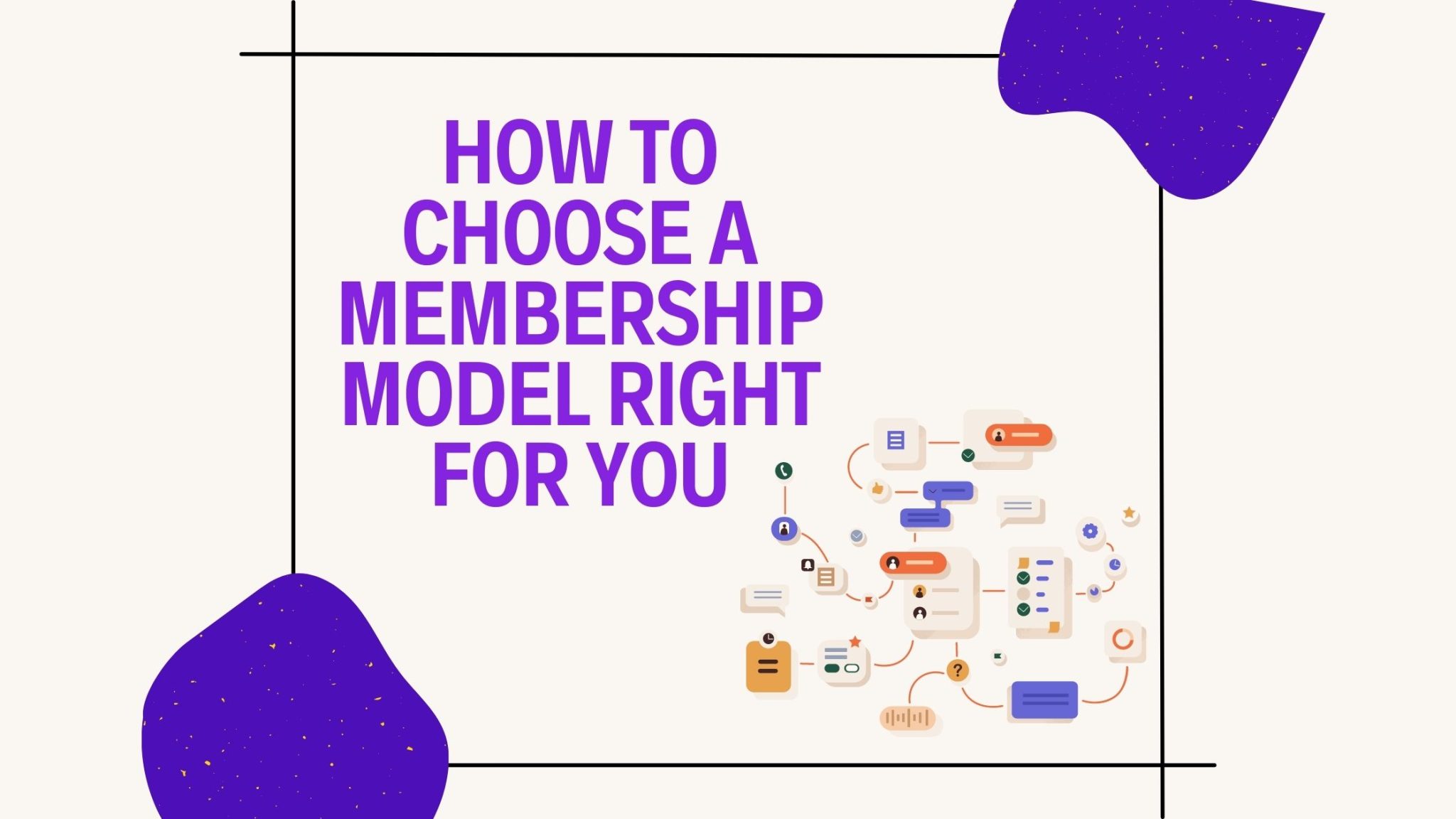
A membership model is the way your membership site packages and delivers value: tiered access, content released on a schedule, structured courses, a resource library, a community, or a free tier that leads to paid plans. The right membership model depends on your goals, your audience, the content you can produce, and how much time you can invest.
Building a membership site lets you generate revenue while providing exclusive value to your audience. Before you jump in, though, choosing the right membership model is one of the most important decisions you’ll make.
Below, you’ll find the most common membership site models, real-world examples of each, and a framework for selecting the best fit for your membership site idea.
What Is a Membership Site?
A membership site is an online platform where registered members get access to exclusive content, products, services, or a community related to a particular niche or industry. Access can be free, paid once, or paid through a recurring subscription. When deciding on a membership model, it’s essential to understand the various options available.
Membership Model Options: 6 Common Approaches
When you understand the different membership site models, you can be strategic about the way you build yours. Instead of jumping in head-first, you’ll have a clear overview of what you want to do with your membership site and where you want to take it. Many successful sites combine two or more of these models.
Here are the most popular membership site models:
Tiered Membership Model
A tiered membership model involves offering different membership tiers with varying levels of access, benefits, and pricing. This model works well when you have diverse target audience segments with varying needs and budgets.
For instance, a Basic tier can provide access to essential content and limited features, while a Premium tier offers advanced content, exclusive resources, and personalized support. This approach allows you to cater to different customer segments and generate revenue through tier upgrades and cross-selling opportunities.
Example: Fitness Site With Basic and Pro Tiers
A fitness membership site can offer a Basic tier with access to workout videos and nutrition tips, while a Pro tier provides personalized workout plans and direct coaching. This model appeals to both fitness enthusiasts seeking basic guidance and those looking for personalized support.
Example: Software Training With Three Skill Tiers
A software training membership site can offer a Starter tier with access to beginner-level tutorials, an Intermediate tier with more in-depth lessons, and an Expert tier with advanced training and live webinars. This tiered approach accommodates learners at different skill levels and allows for progressive learning and membership site revenue growth.
Content Drip Membership Model
The content drip model focuses on gradually releasing content over time to keep members engaged and subscribed for longer periods. This model works well when you want to provide a structured learning experience or maintain member interest through a steady stream of valuable content.
For example, a language learning membership site can release weekly lessons, quizzes, and cultural insights to keep members engaged and motivated over an extended period. This guide to drip content in your membership covers how to plan a release schedule.

Example: Online Course Released Module by Module
An online course membership site can adopt the content drip model by releasing modules and assignments on a predetermined schedule. This approach helps learners stay focused, complete the course, and remain active members throughout their learning journey.
Example: Monthly Personal Development Challenges
A personal development membership site can deliver monthly self-improvement challenges, inspirational articles, and exclusive interviews with experts. By releasing content in a controlled manner, members experience continuous growth, leading to long-term engagement and loyalty.
Course-Based Membership Model
The course-based model is ideal for those who want to deliver structured educational content and create a learning environment within their membership site. This model works best when you have in-depth knowledge or expertise to share and when members seek comprehensive learning experiences.
Example: Photography Skills Course
A photography membership site can provide a series of modules covering various photography techniques, editing software tutorials, and assignments for members to practice and receive feedback. This model appeals to photography enthusiasts looking to enhance their skills and knowledge in a structured manner.
Example: Business Coaching Course Library
A business coaching membership site can offer courses on topics like marketing strategies, leadership development, and sales techniques. The course-based model allows members to acquire specialized knowledge from industry experts, empowering them to grow their businesses. For more ideas, see how membership sites support online courses.
Product-Based Membership Model
The product-based model offers exclusive products or digital downloads as part of the membership benefits. This model works well when you have valuable digital assets to share or when your target audience seeks access to unique resources.
Example: Graphic Design Resource Library
A graphic design membership site can provide exclusive design templates, stock photos, and fonts to its members. By offering a range of high-quality design resources, the site adds value to the membership and attracts graphic designers and creative professionals.
Example: Music Production Sample Library
A music production membership site can offer premium sound samples, virtual instruments, and audio plugins to its members. This product-based model appeals to musicians and producers who rely on high-quality resources to enhance their music production workflow.
Community Membership Model
In a community model, the main benefit is access to other people: discussion forums, member profiles, a member directory, live events, or networking. Members stay because of the relationships they build, so the content you create can be lighter, but you need to moderate and actively spark conversations. Learn more about building a community membership.
Example: Professional Networking Group
A network for freelance designers can offer a searchable member directory, a private forum for job leads, and monthly online meetups. Members pay to be found by clients and to learn from peers, not for a library of lessons.
Example: Local Club or Association
A hiking club or alumni association can use its membership site to share event calendars, member-only news, and digital membership cards, while the real value happens at in-person events.
Freemium Membership Model
A freemium model gives visitors a free membership with limited access and invites them to upgrade to a paid plan for the full experience. It lowers the barrier to joining and builds an audience you can market to, but you need a clear difference between free and paid so upgrades make sense. See this guide to free memberships for how to structure the free level.
Example: Recipe Site With a Free and a Premium Plan
A cooking site can let free members save a handful of recipes and read the weekly newsletter, while premium members unlock the full recipe archive, meal plans, and video classes.
Example: News Site With Limited Free Reads
A niche publication can let registered free members read a few articles each month before asking them to subscribe for unlimited access.
Payment Models: Recurring, One-Time, or Free
Your membership model describes what members get. Your payment model describes how they pay for it, and you can mix the two freely:
- Recurring subscription: members pay monthly, quarterly, or yearly and keep access while they pay. It gives you predictable revenue and suits drip, community, and library models.
- One-time payment: members pay once for access for a fixed period or for good. It works well for a single course with a clear end point.
- Installments: members pay a higher-priced program in a few payments that stop after the last one.
- Free: access costs nothing, usually to grow an audience or as the entry level of a freemium model.
A free or discounted trial membership can sit on top of any recurring plan to help hesitant visitors try before they commit.
How to Choose a Membership Site Model
OK, now that you understand the different types of membership site models, it’s time to decide which model is best for your business. Here are some essential elements to consider:
Your Goals
Consider your primary goals for the membership site. Are you looking to share your expertise, build a community, or generate revenue? Or maybe all three? What are the specifics of your goals? How many members do you want to bring together, and how much time will you allow yourself to get there? What are your financial goals?
Based on your objectives, select a membership model that aligns with your desired outcomes.

Your Target Audience
To make sure you choose a successful membership model, take the time to understand the needs, preferences, and demographics of your target audience. Determine which membership model will resonate most with them and provide the most value. Tailoring your membership site to your audience’s preferences increases the likelihood of attracting and retaining members.
For instance, a fitness community might opt for a tiered membership model, while a photography course site may choose the course-based model. Your chosen membership model should mirror your community’s needs.
Time Availability
Evaluate the time you can dedicate to content creation, management, and member engagement. Choose a membership model that matches your available resources without compromising on the quality of the experience you provide to your members.
Nothing happens overnight, and no membership site is fully passive. Any membership site requires effort and dedication to build a successful business. However, a model built on scheduled drip content that you prepare in advance may take less ongoing time than, say, a one-on-one coaching membership.

Type of Content
Consider the type of content you want to produce and the frequency of updates. Ensure that your chosen membership model aligns with your content strategy and supports your ability to consistently deliver valuable content to your members.
Some of the most common types of content include courses, community-driven content, videos (e.g., trainings), and one-on-one coaching sessions.
Revenue Generation
Decide on the revenue sources for your membership site, such as subscription fees, product sales, or advertising opportunities. Assess the potential income streams of each membership model and choose one that aligns with your revenue objectives and monetization strategies. Doing this will help you choose a membership model that fits your financial goals.
Emphasis on Community
Assess the importance of fostering a sense of community and interaction among your members. Determine whether a robust community aspect aligns with your goals and whether you have the resources and ability to manage and facilitate member engagement effectively.
Example: Setting Up a Membership Model in Ultimate Membership Pro
To see how a membership model turns into a working site, take the fitness example from earlier and combine freemium, tiered, and drip elements. In Ultimate Membership Pro, each access level is a Membership with its own price, billing cycle, and trial, so the setup could look like this:
- Free Membership: visitors register for free and get sample workouts and the newsletter.
- Basic Membership: a monthly recurring subscription with a 7-day free trial that unlocks the full workout library.
- Pro Membership: billed monthly or yearly, adding personalized plans and coaching pages. Basic members can upgrade with prorated billing.
- Access rules: the workout library is restricted to Basic and Pro, and coaching pages to Pro only.
- Drip schedule: a 12-week program unlocks one week at a time, counted from each member’s sign-up date.
The same building blocks cover the other models: a course site can sell one-time or installment Memberships, and a resource library can use a single recurring plan. See all the billing options on the subscriptions and payments page.
Conclusion
Selecting the right membership business model is a critical decision that can significantly impact the success of your revenue-driven membership site. You want to be 100% focused on your goals, so knowing exactly which model is more likely to succeed is the most important first step you should make when building your membership site strategy.
If you’ve already decided on your membership model and want to build it on WordPress, Ultimate Membership Pro gives you the building blocks covered above:
- Restrict pages, posts, categories, and files by Membership
- Recurring, one-time, installment, and free Memberships with trials and coupons
- Payments through Stripe, PayPal, and other gateways
- Upgrades and downgrades between Memberships with prorated billing
- Member reports in the dashboard and a weekly summary email
Ultimate Membership Pro is sold as annual plans, and the Full Package and Agency plans add the Pro Add-ons. Compare what each plan includes on the pricing page.
Frequently asked questions
What are the main types of membership models?
The most common membership models are tiered memberships, drip content, course-based memberships, product or resource libraries, community memberships and freemium models. Each describes what members get. You then pair it with a payment model, such as a recurring subscription, a one-time payment, installments or free access, to decide how members pay.
Which membership model makes the most money?
No single model always earns the most. Recurring models with several tiers usually produce the most predictable revenue, because members keep paying and some upgrade over time. The best performer is the model your audience values enough to stay in, so test your offer with a small group before you build every tier.
Can you combine more than one membership model?
Yes, and many successful sites do. A course site might drip lessons weekly, offer a free tier to attract sign-ups and add a premium tier with live coaching. Combining models works best when each part has a clear purpose and members can easily see what they get at each level.
Should a membership site charge monthly or yearly?
Offer both if you can. Monthly plans lower the barrier to joining, while yearly plans improve cash flow and retention, especially when you give a discount for paying upfront. Many sites show the yearly price as the better deal and keep monthly billing for members who want to try the site first.
What is the difference between a membership model and a pricing model?
The membership model describes what members receive, such as tiers, courses, a resource library or a community. The pricing model describes how they pay, such as a recurring subscription, a one-time fee, installments or a free plan. You choose both together, since some content suits ongoing payments and some suits a single fee.
Ready when you are
Turn visitors into paying members with Ultimate Membership Pro
Launch your membership website, protect exclusive content and automate subscription payments, all in one WordPress plugin.
- 14-day money-back guarantee
- Unlimited members
You May Also Like
Membership Site Software: How to Choose the Right One (+ 3 Top Picks for WordPress)
14 Membership Site Examples (and What You Can Learn From Each)
The 5 Best WordPress LMS Plugins for Membership Sites
How to Create a Membership Website for Free
What Is a Recurring Subscription and Should You Get One for Your Membership Site?